
Goods moving between manufacturers and jobbers, tracked in one place.
A suiting and shirting business sends goods from its manufacturers to jobbers for job work. Every movement was written in a book and chased on WhatsApp and calls. We built one goods tracking system that follows each consignment.
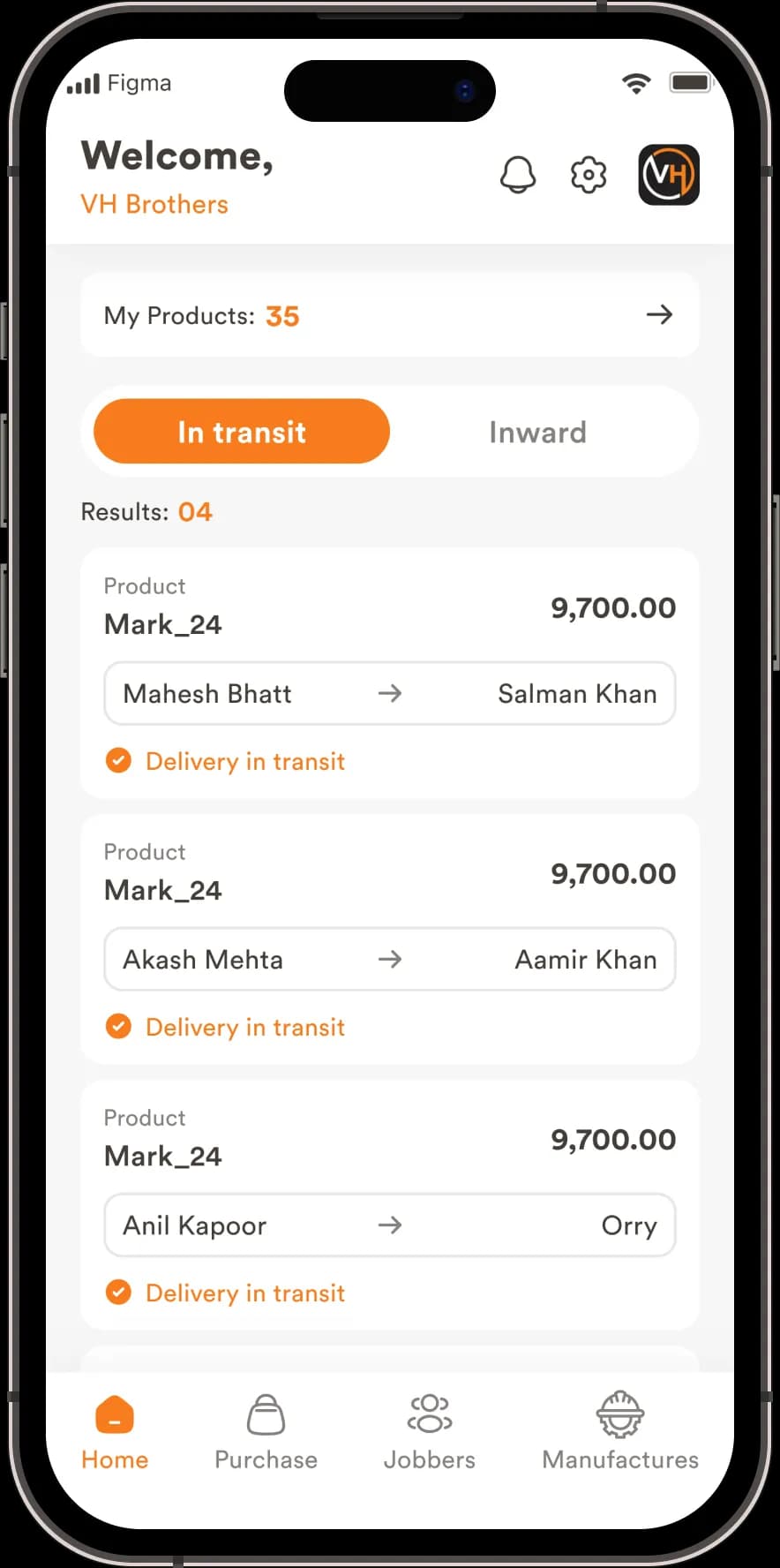
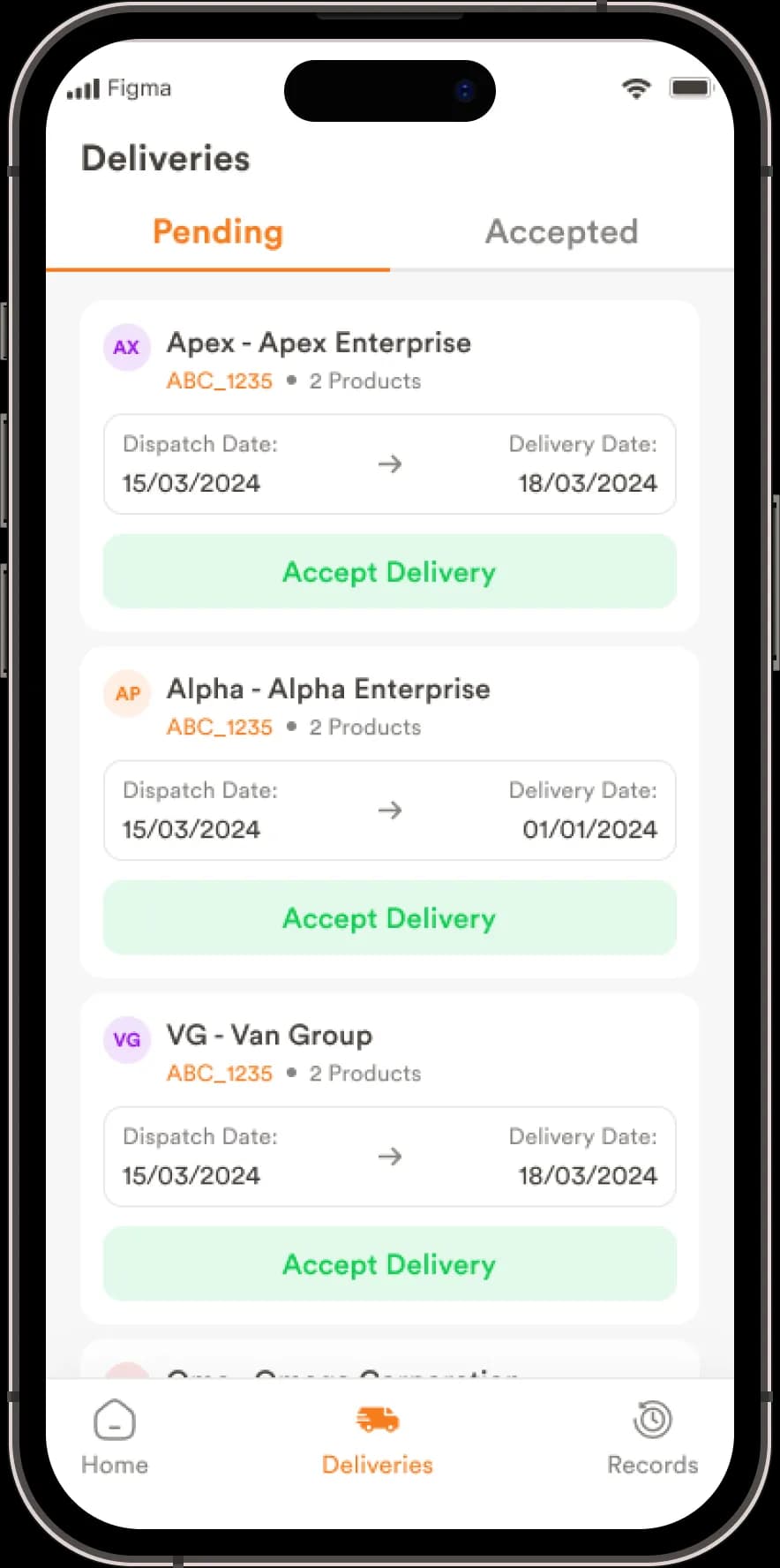
Every update needed a phone call.
Goods moving between manufacturers and jobbers were written in a handwritten book and chased in a WhatsApp group. The owners spent the day on calls, giving and asking for updates. To see the final outstanding and reconciliation, they waited 2 to 3 days (owner-reported).
- 1Goods movements were written in a book and coordinated on WhatsApp.
- 2No one could say what stock each jobber unit was holding.
- 3When goods were late, nobody could tell if the manufacturer or the jobber was responsible.
- 4The owners were tied up on calls, giving updates and chasing them.
Four problems, one root: no shared record.
Every movement in a book
Each movement was written by hand and repeated in chat, so the record was slow and easy to get wrong.
Stock at jobbers not visible
The owners could not see what each jobber unit was holding without making a phone call.
Delays had no owner
Jobbers never confirmed that goods had reached them, so late goods could not be traced to anyone.
Numbers took days
The final outstanding and reconciliation took 2 to 3 days to put together, by the owners’ estimate.
One consignment, seen by owner and jobber.
Follow one consignment through its four statuses, then switch between the owner app, the jobber app and the web app. Each one reads from the same record.
Consignment C-118
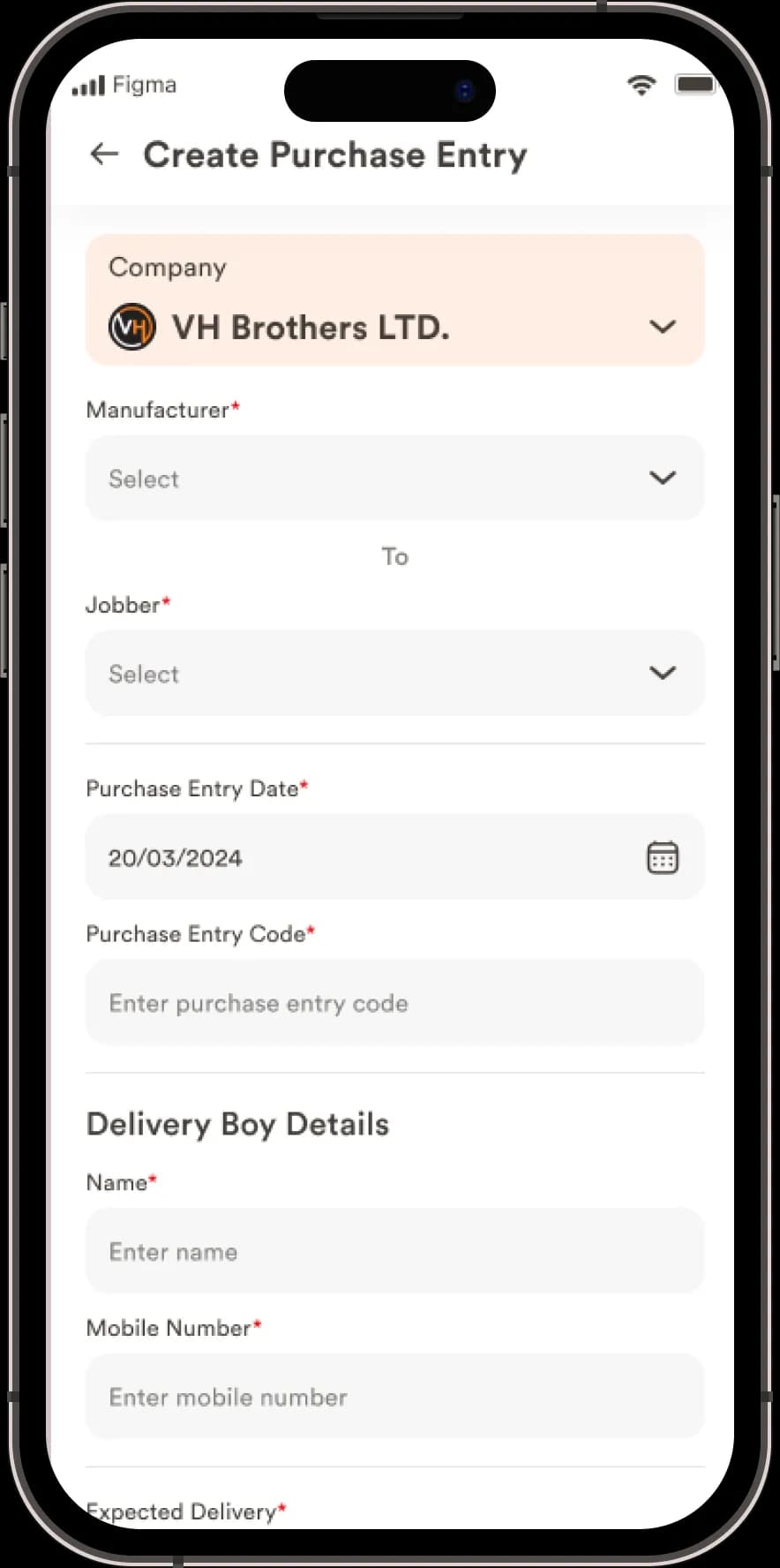
The owner enters the purchase once. The same record then follows the goods to the jobber, so nobody writes it again in a book or a chat.
Screens from the apps we built
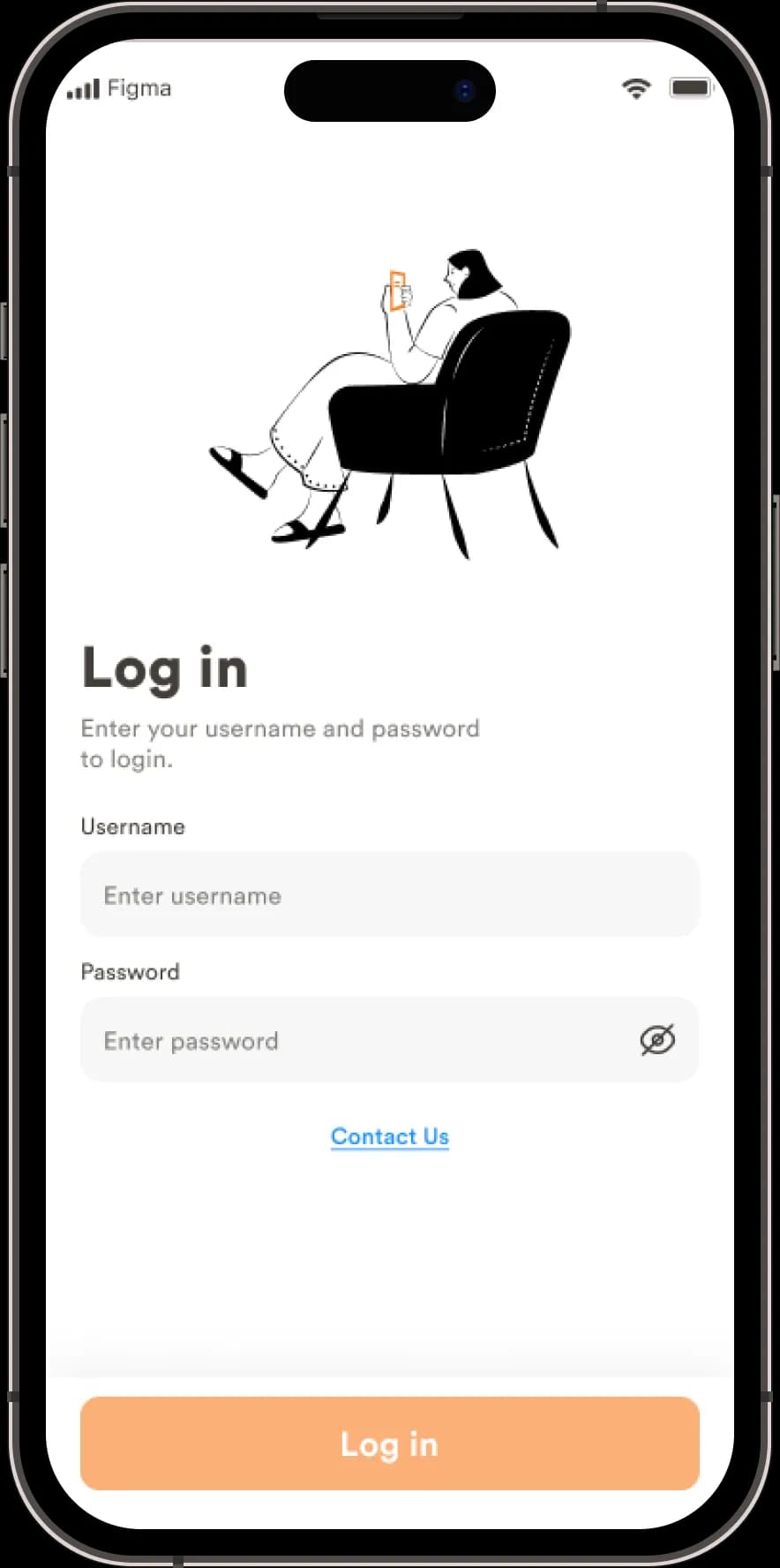
Owner app
12 screens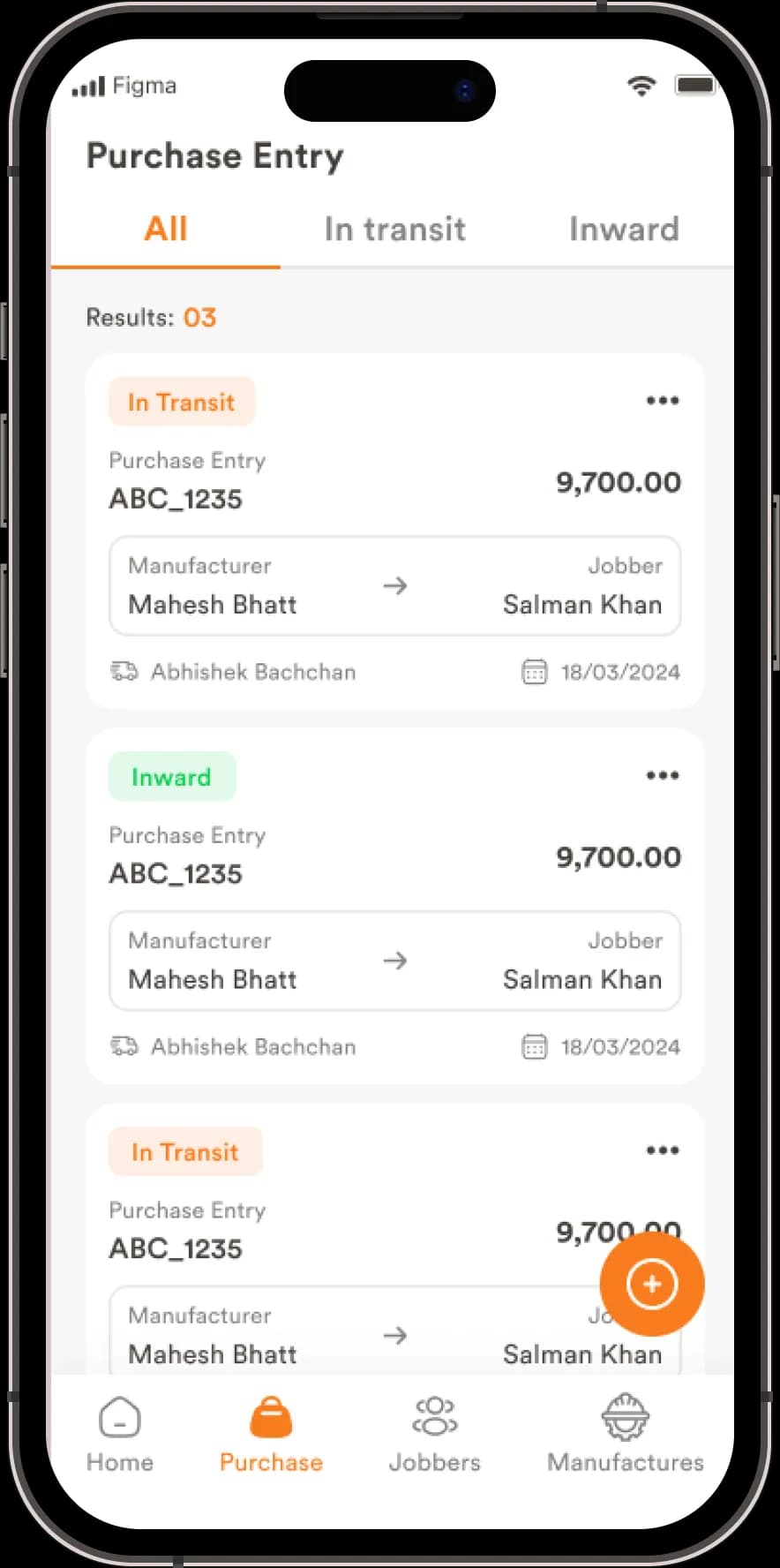
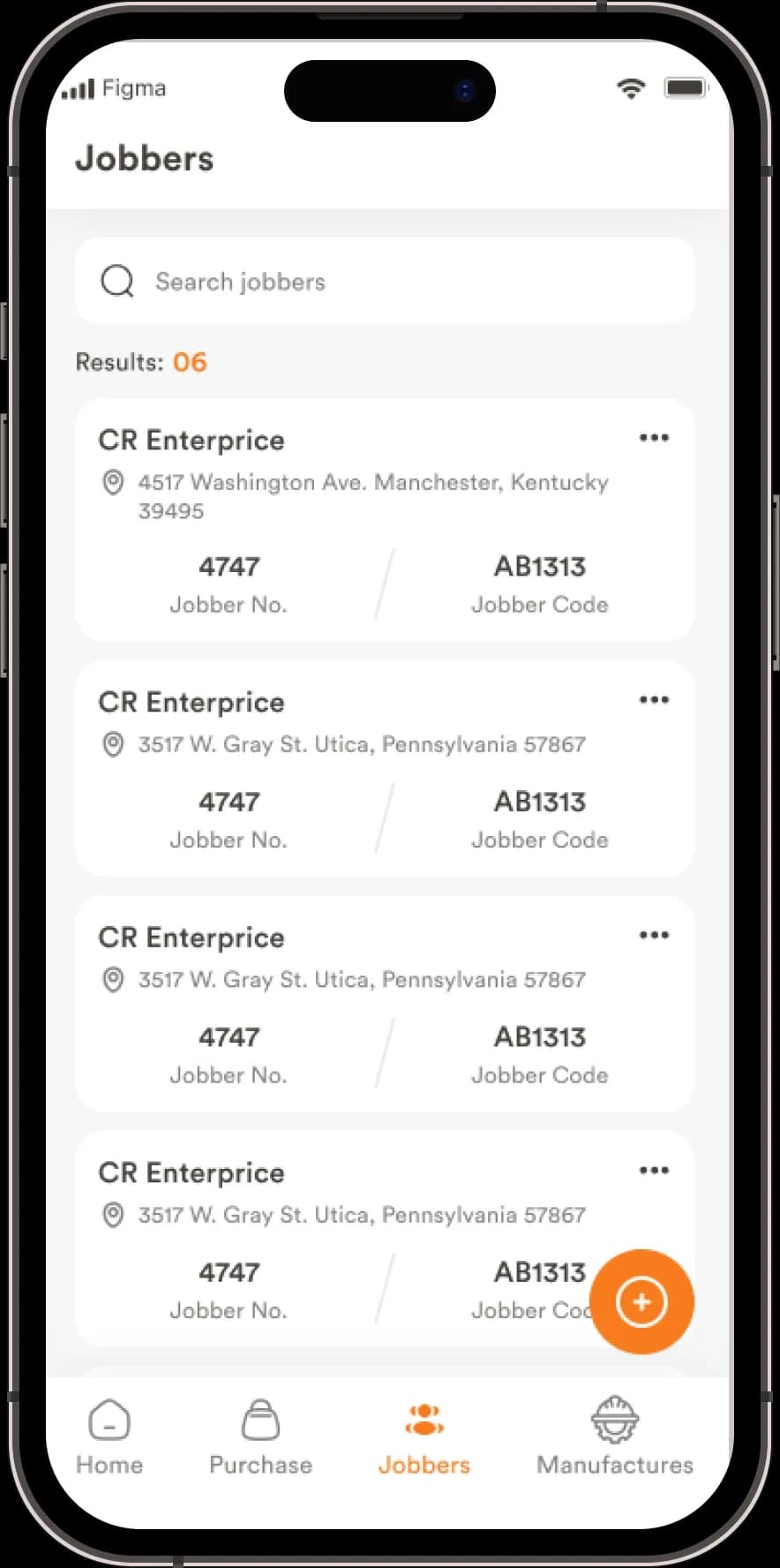
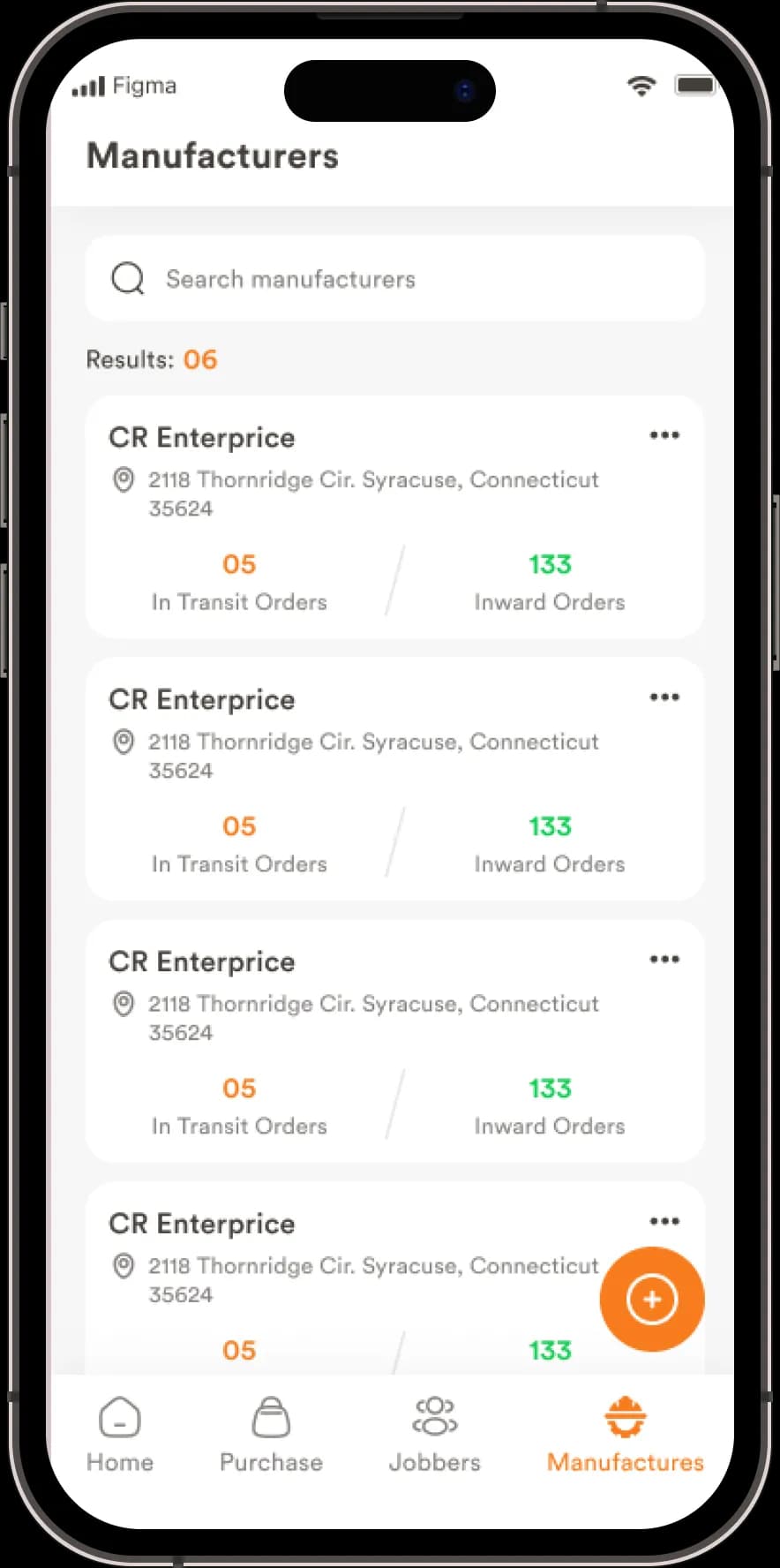
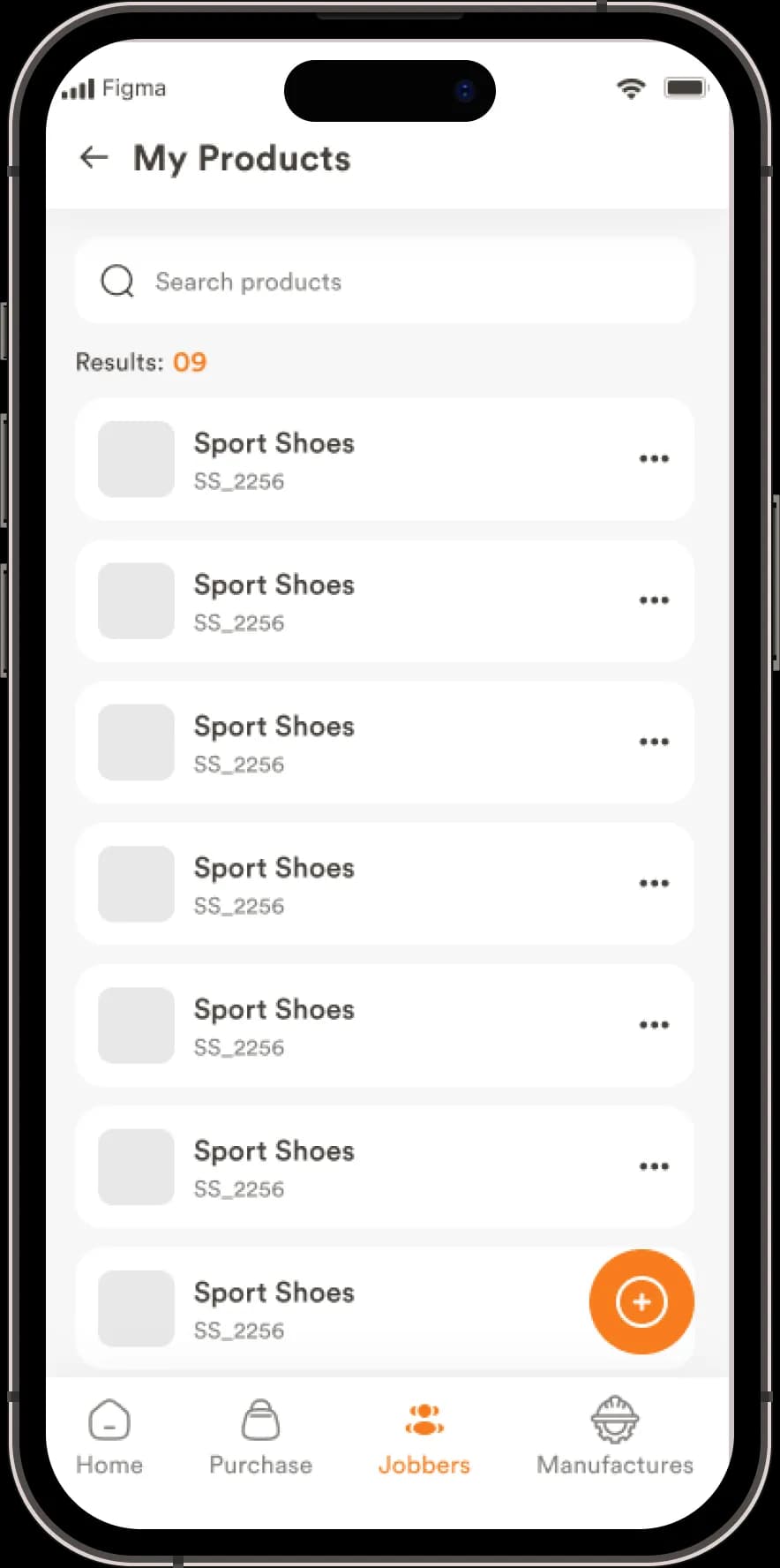
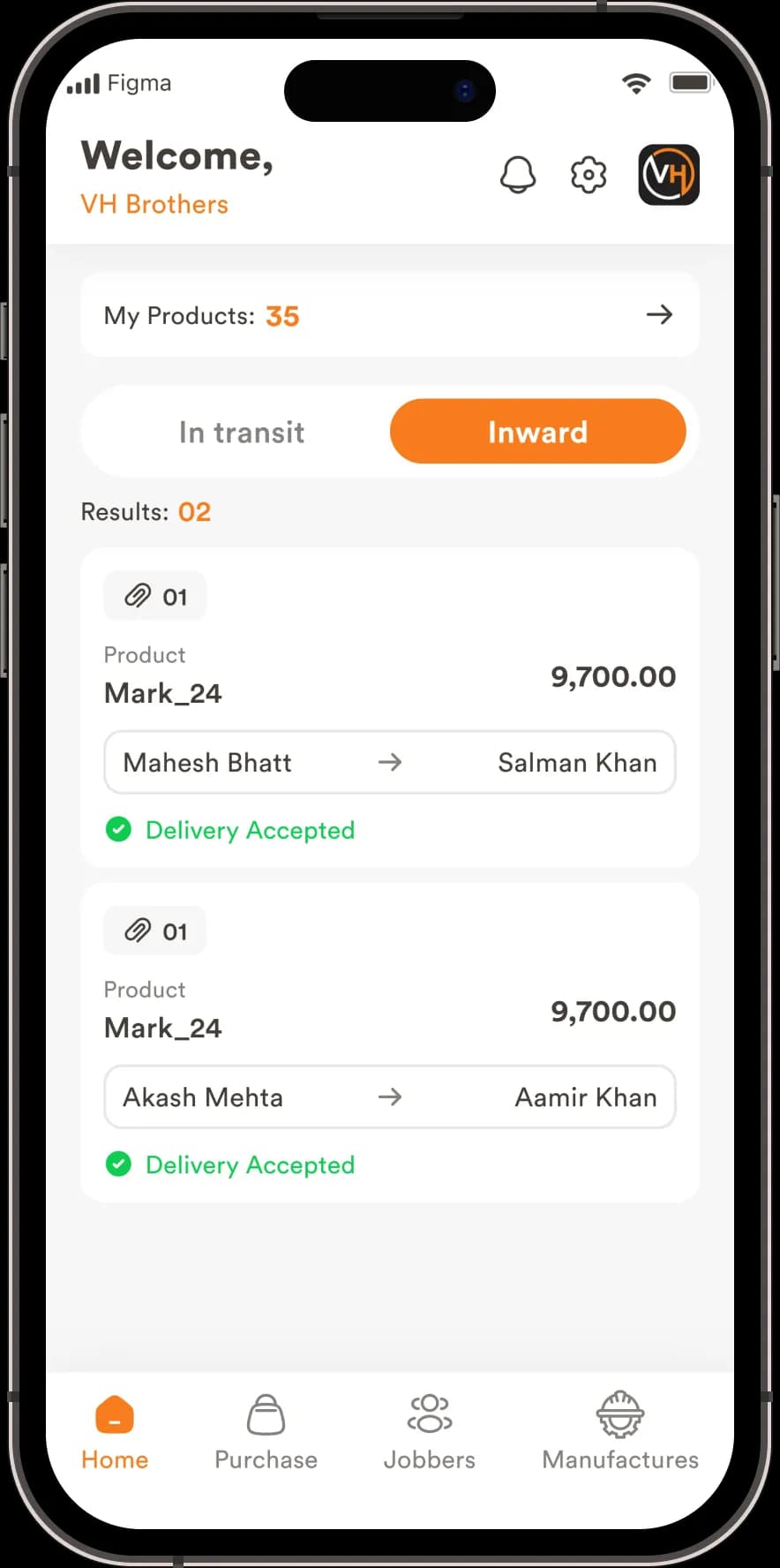
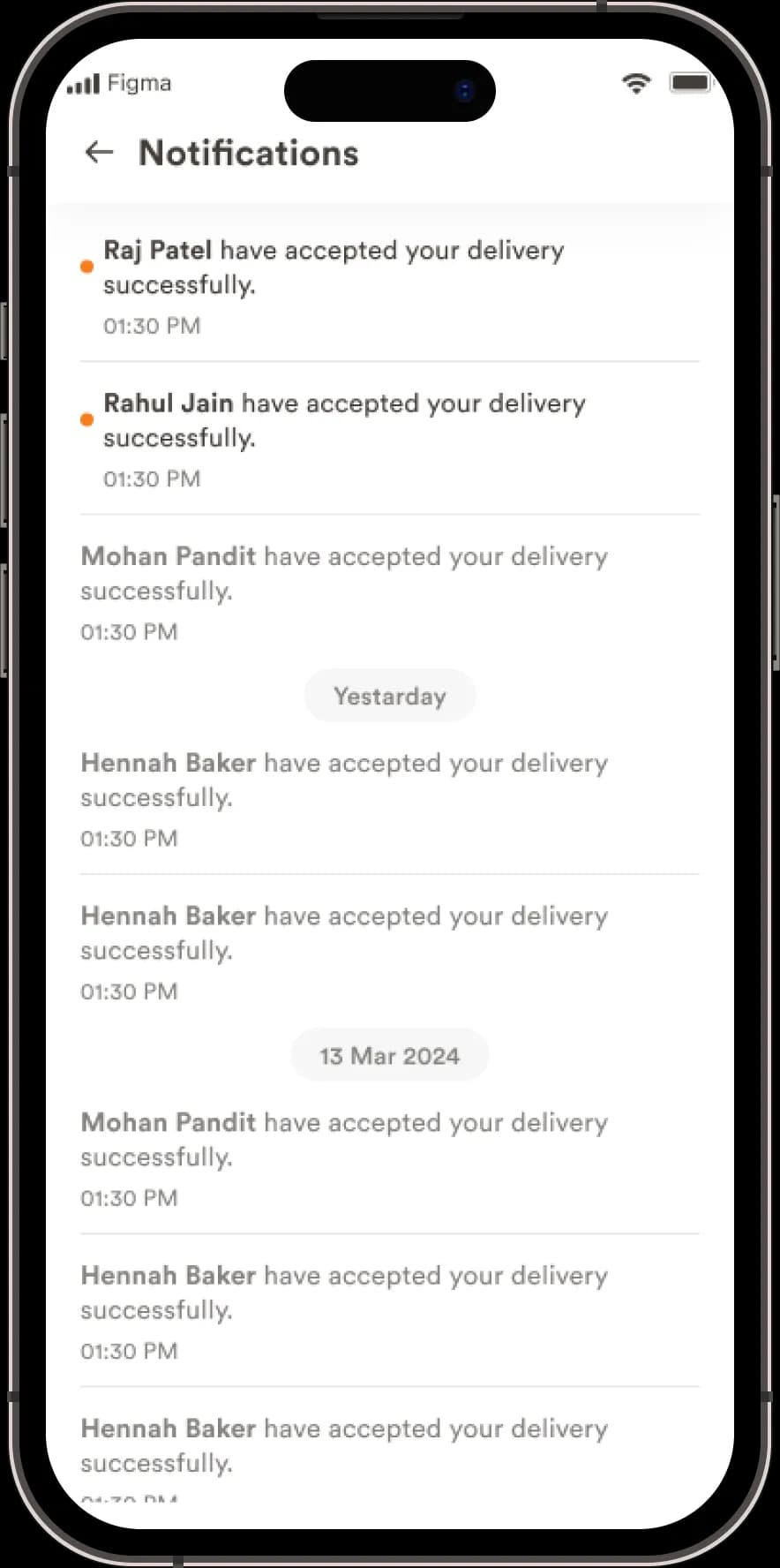
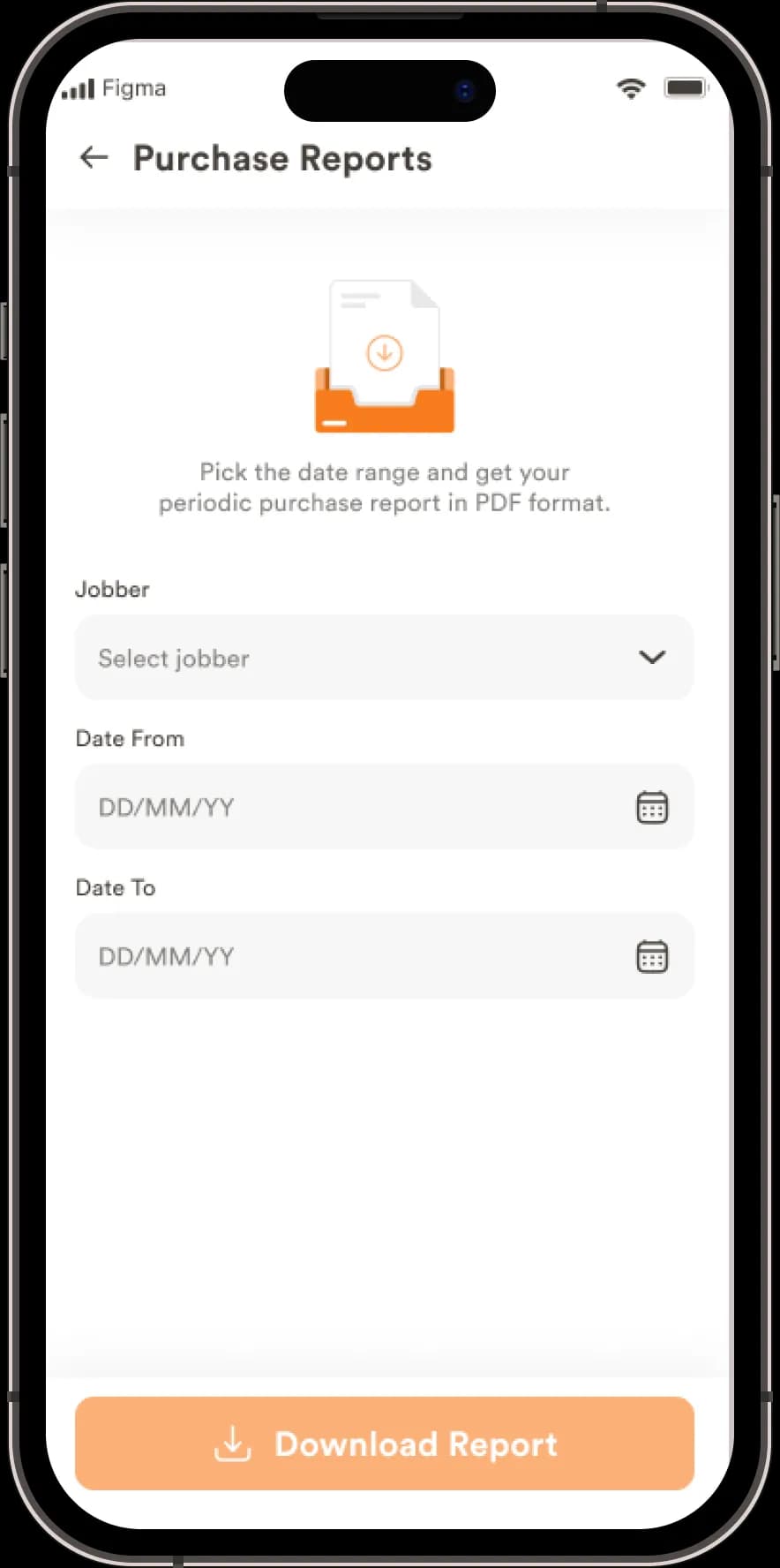
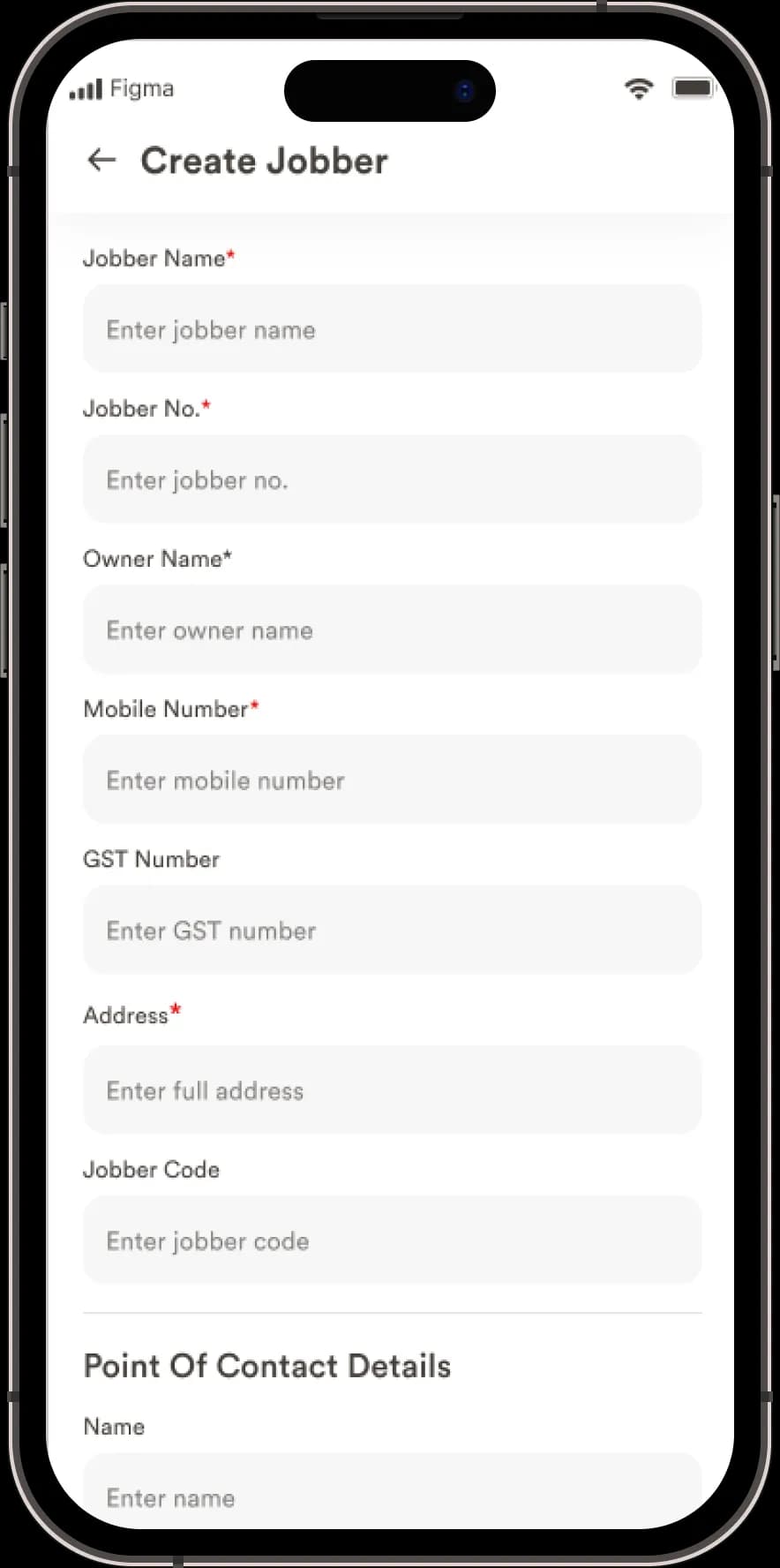
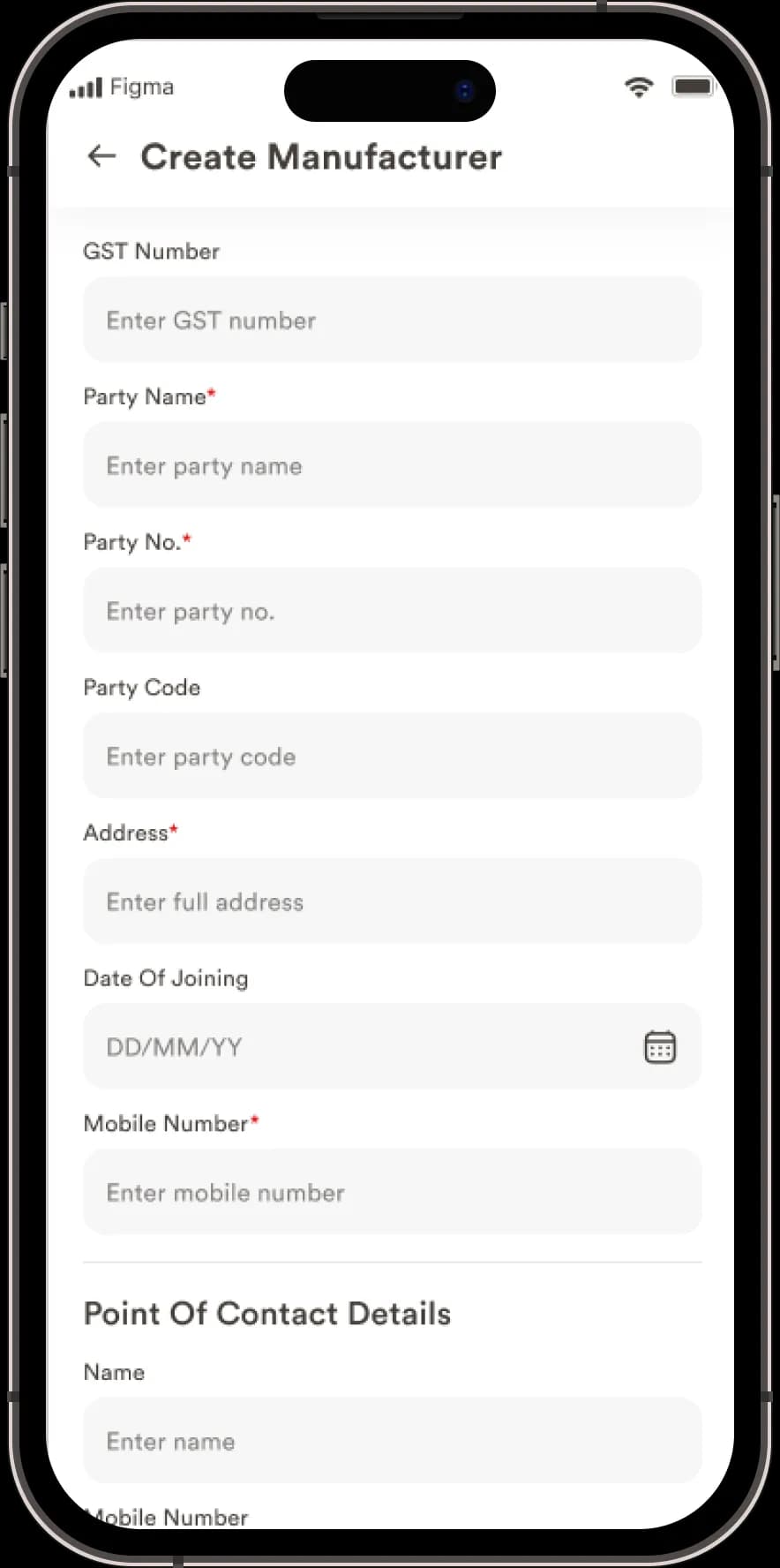
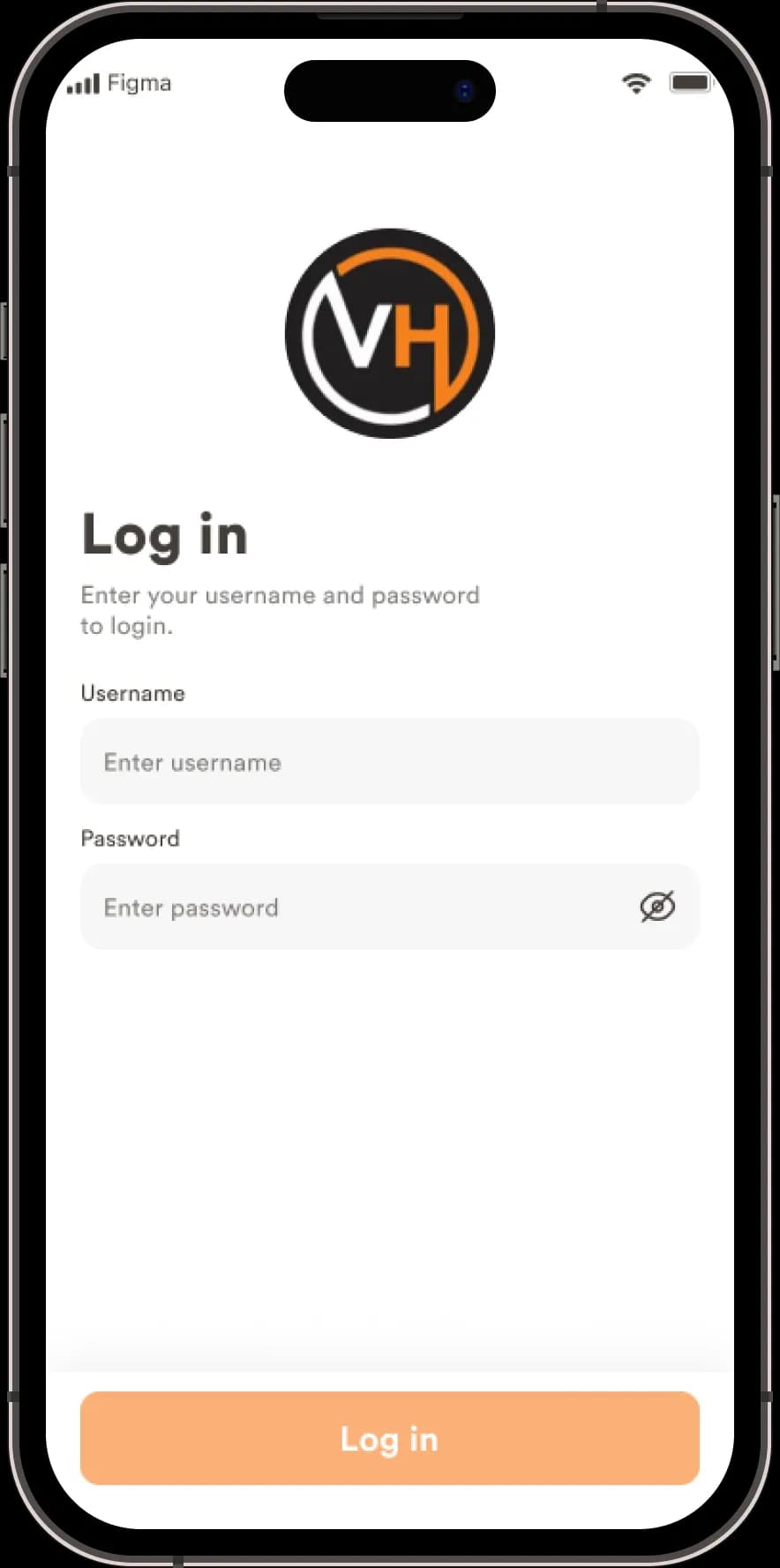
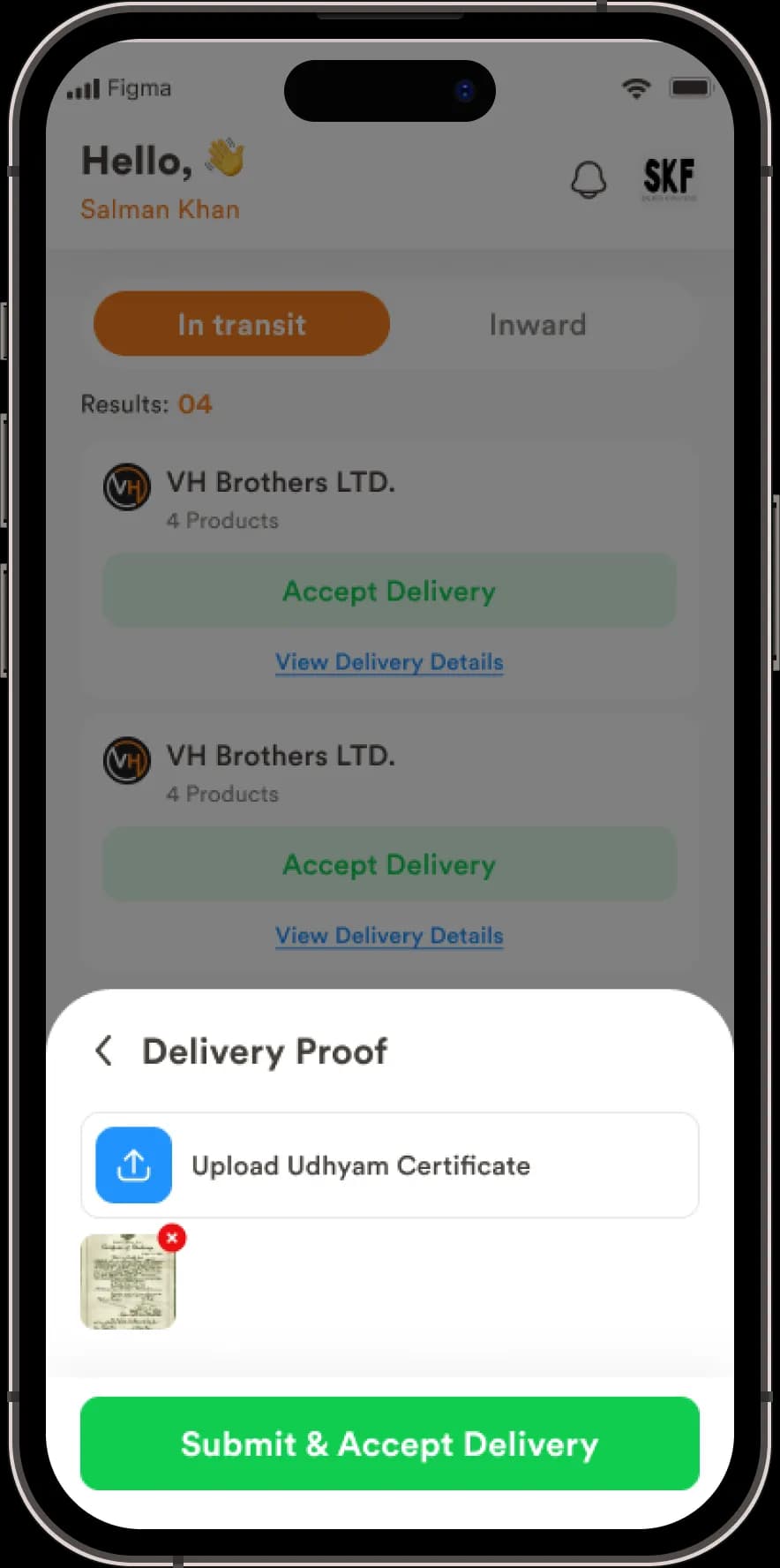
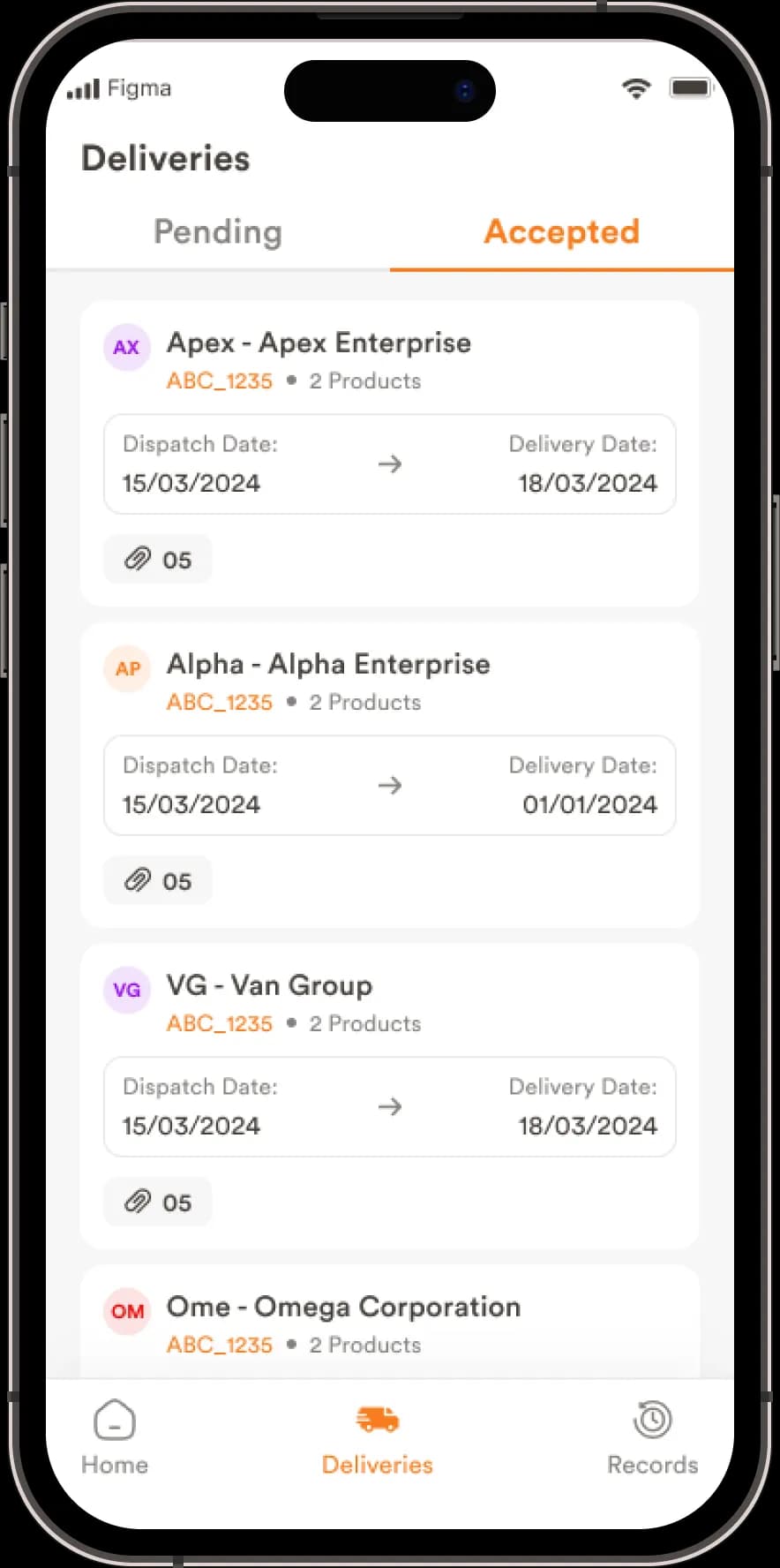
Jobber app
9 screens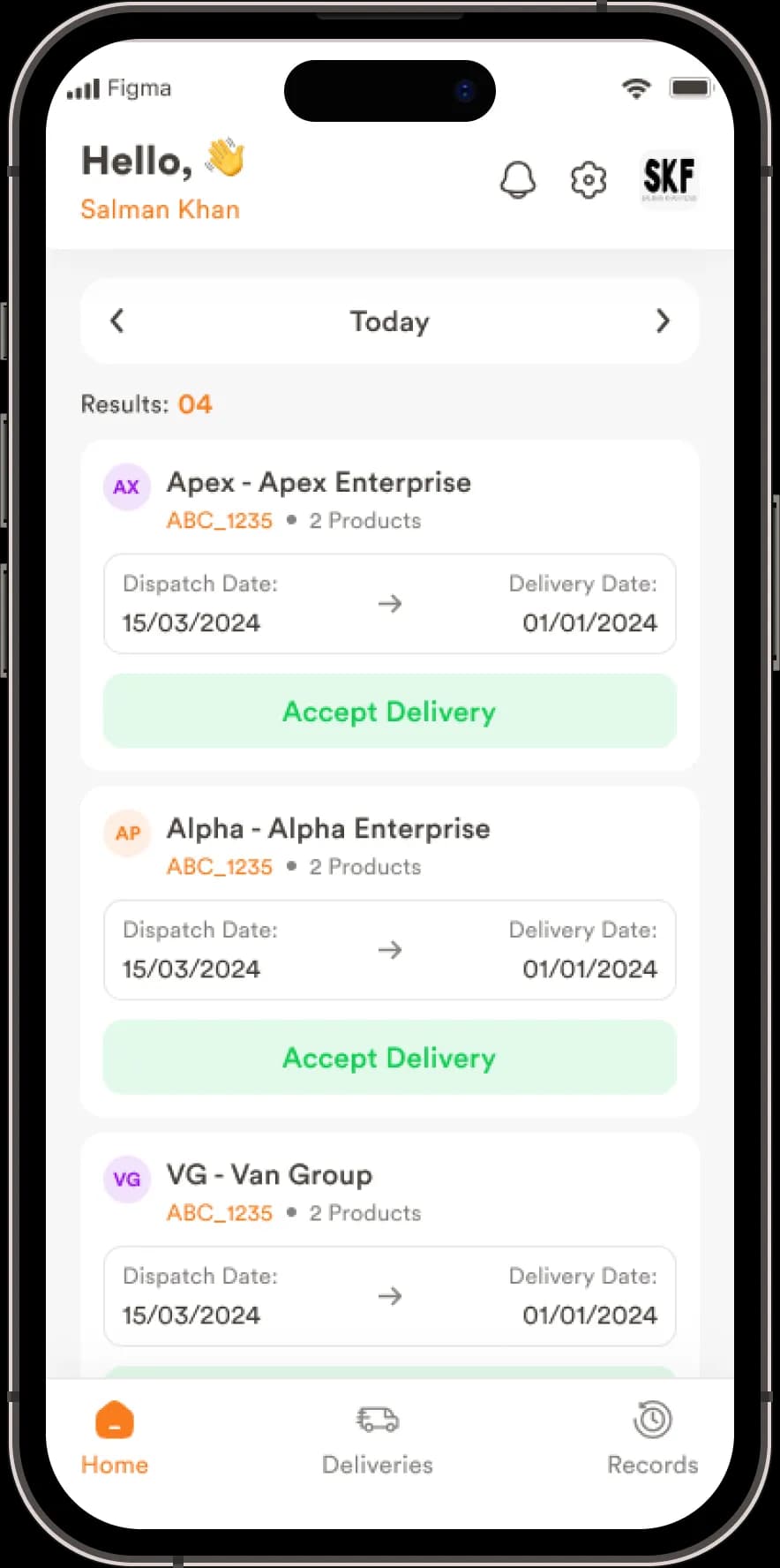
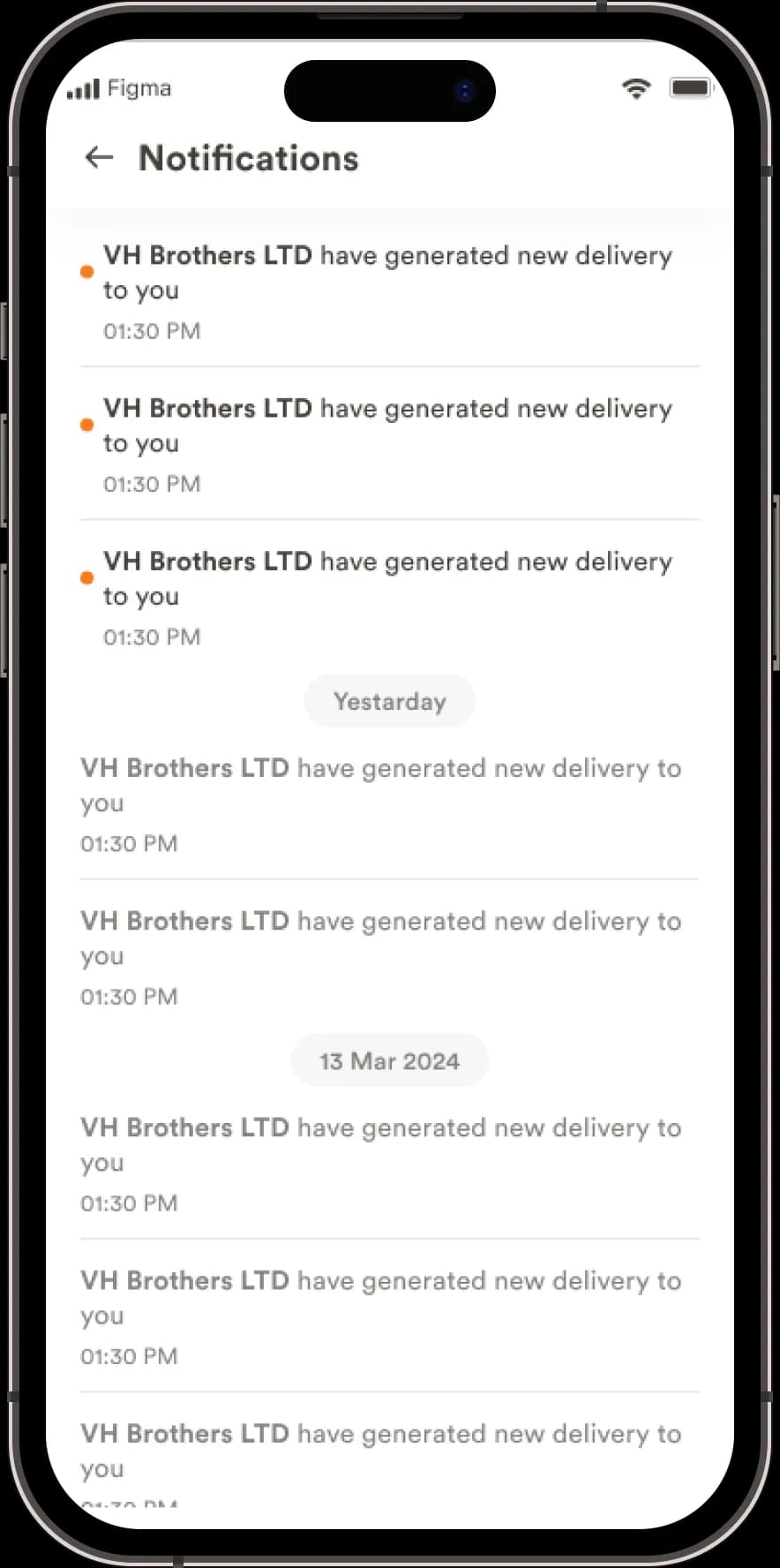
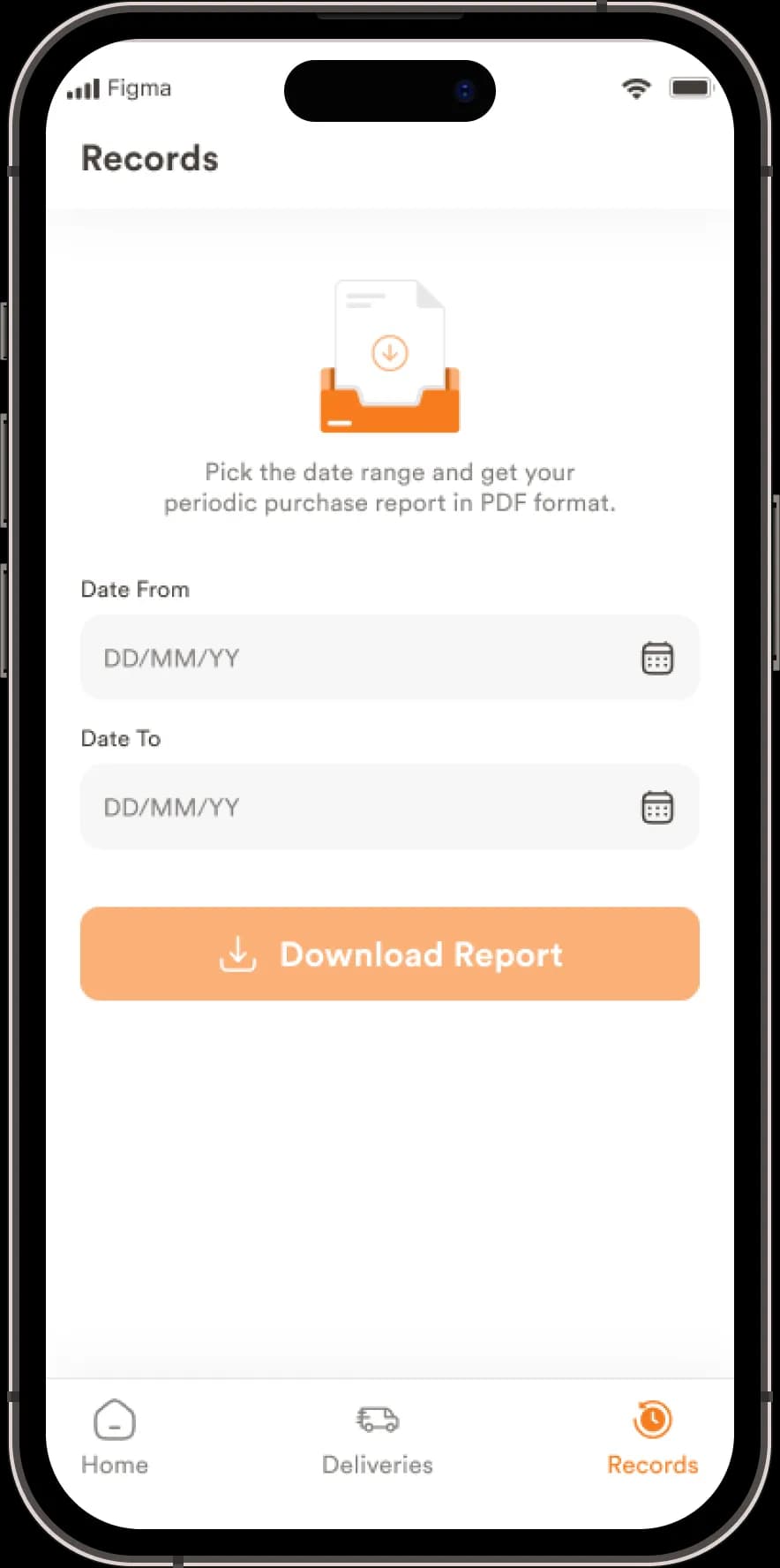
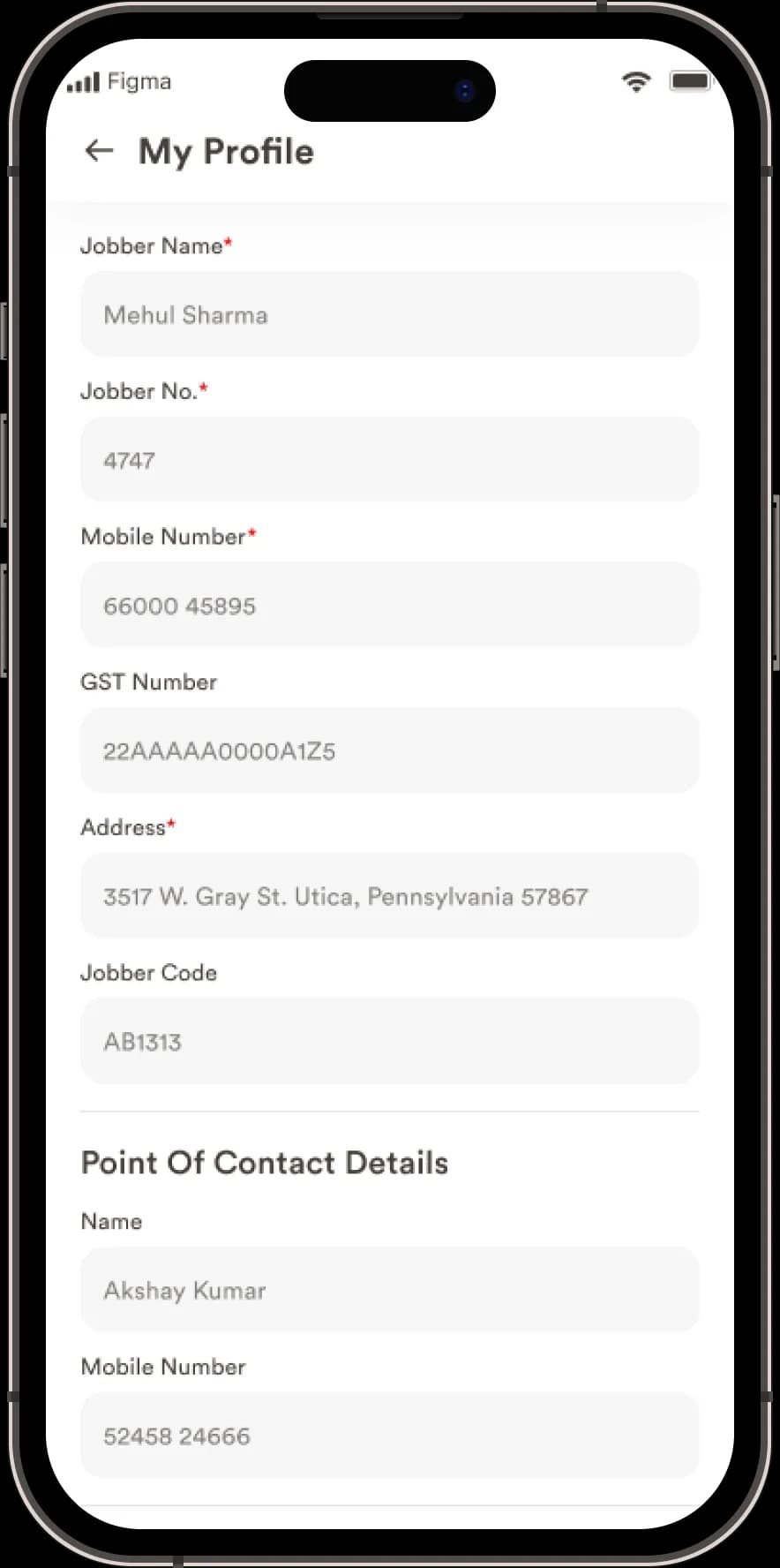
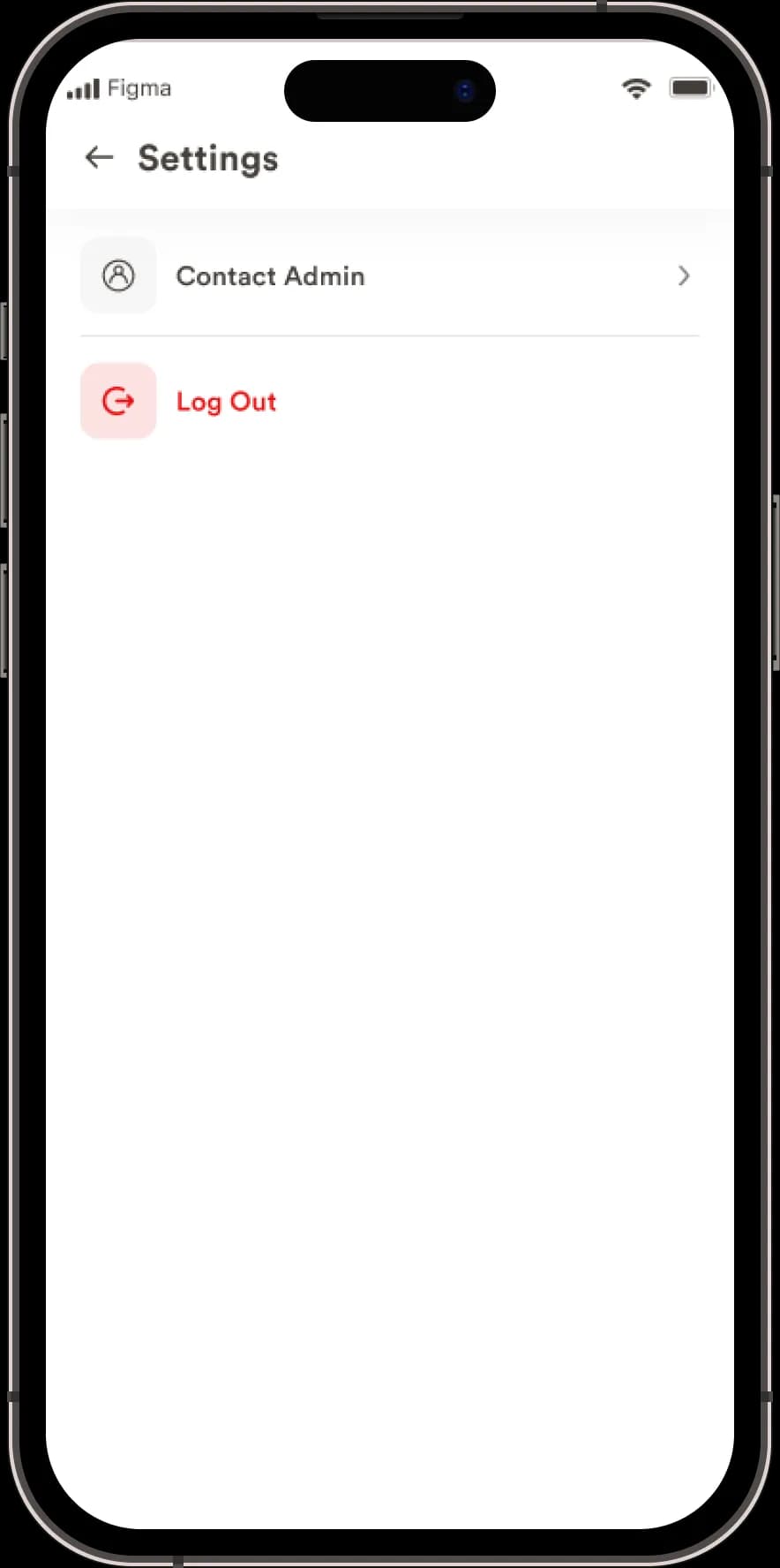
Web app
10 screens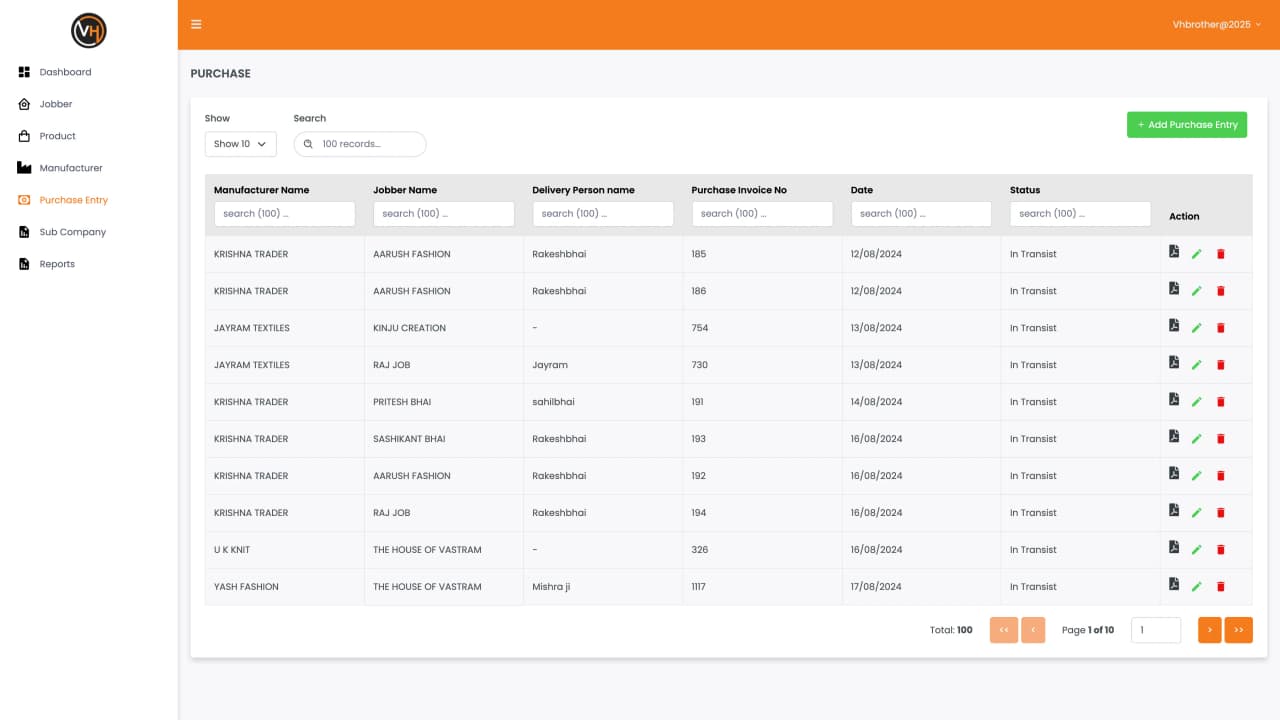
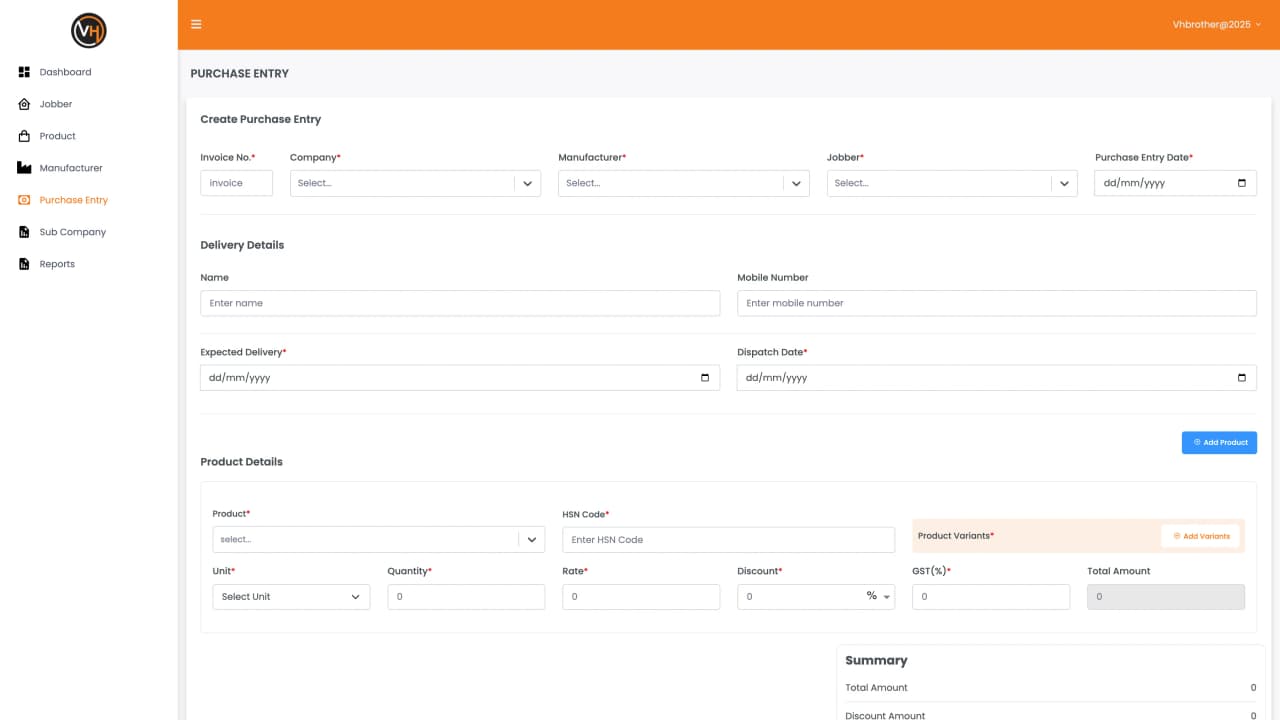
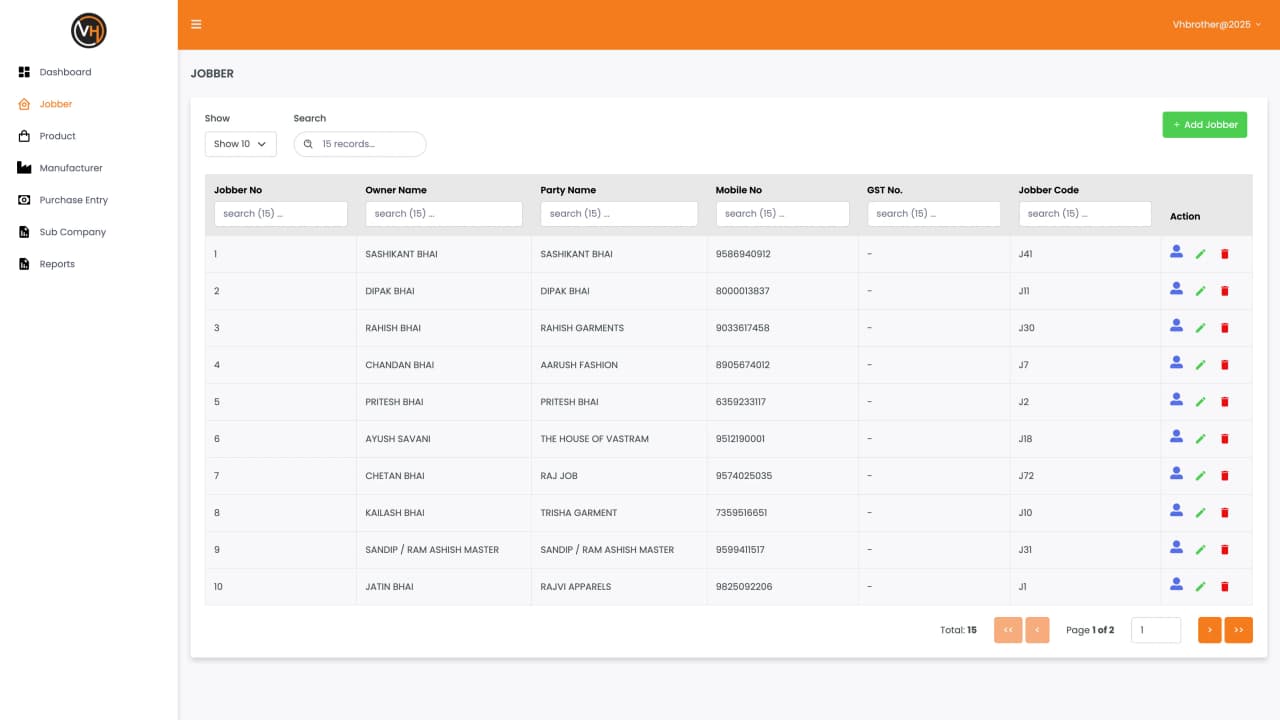
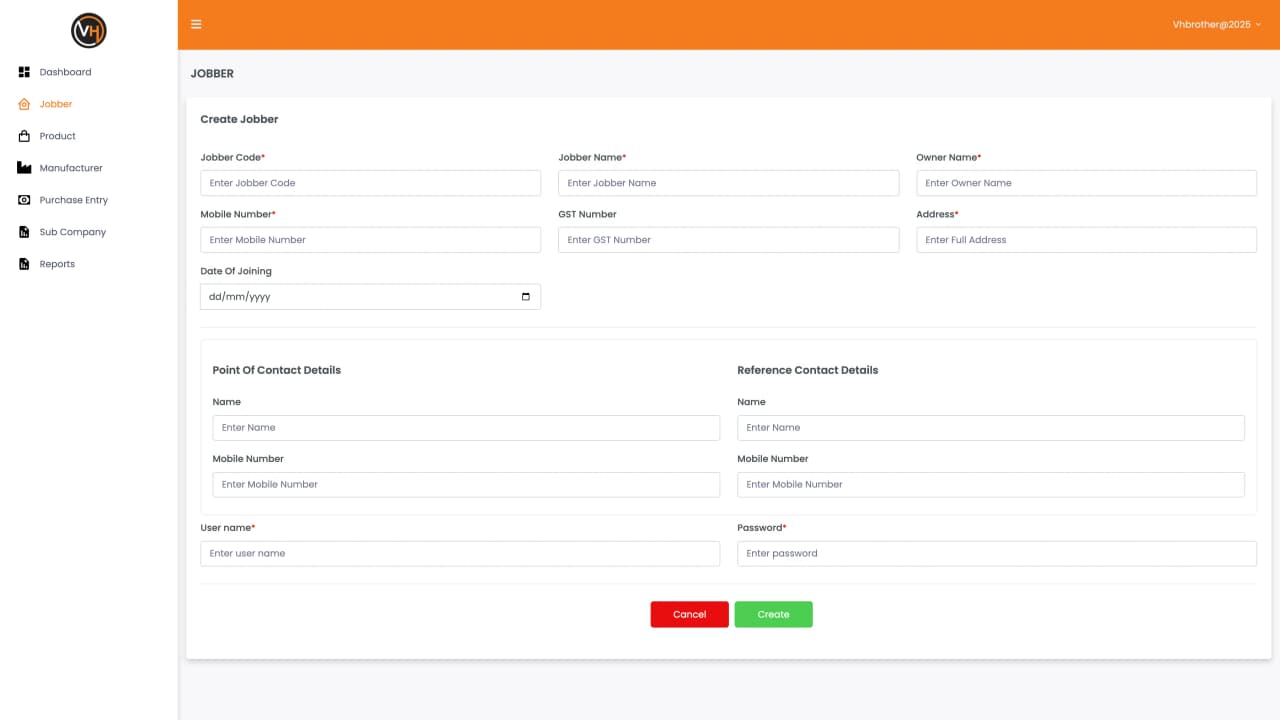
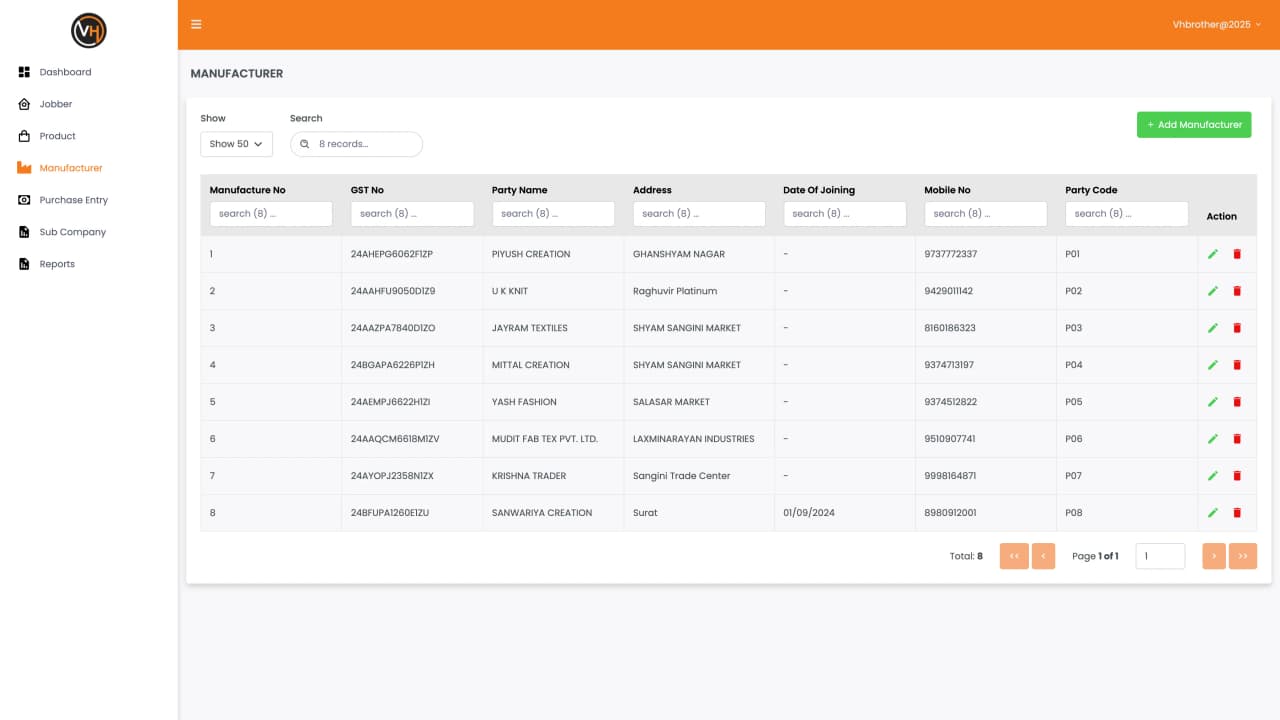
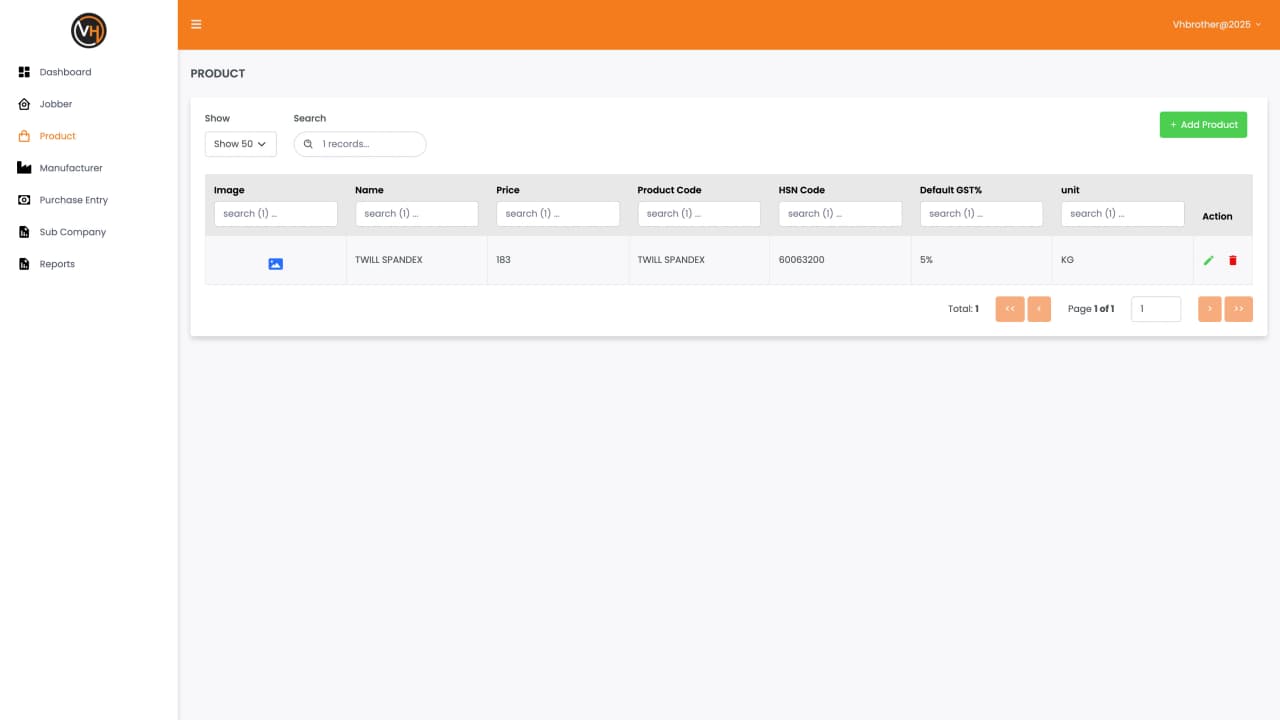
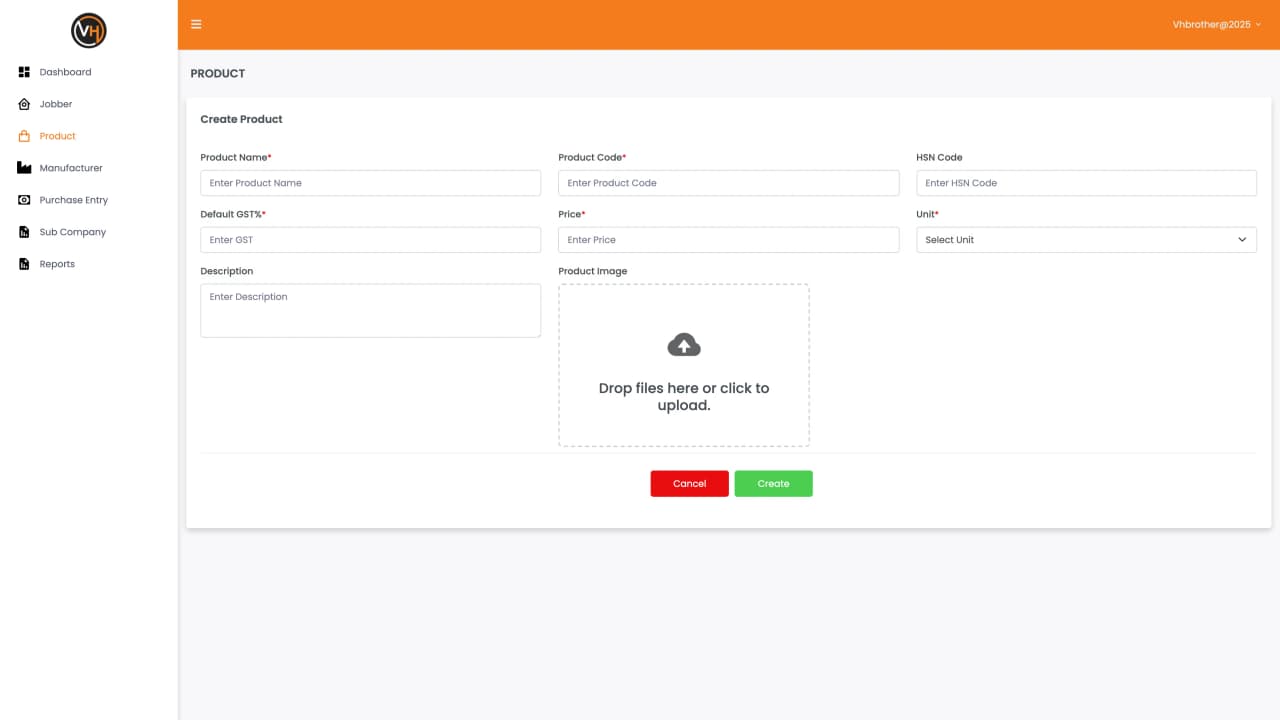
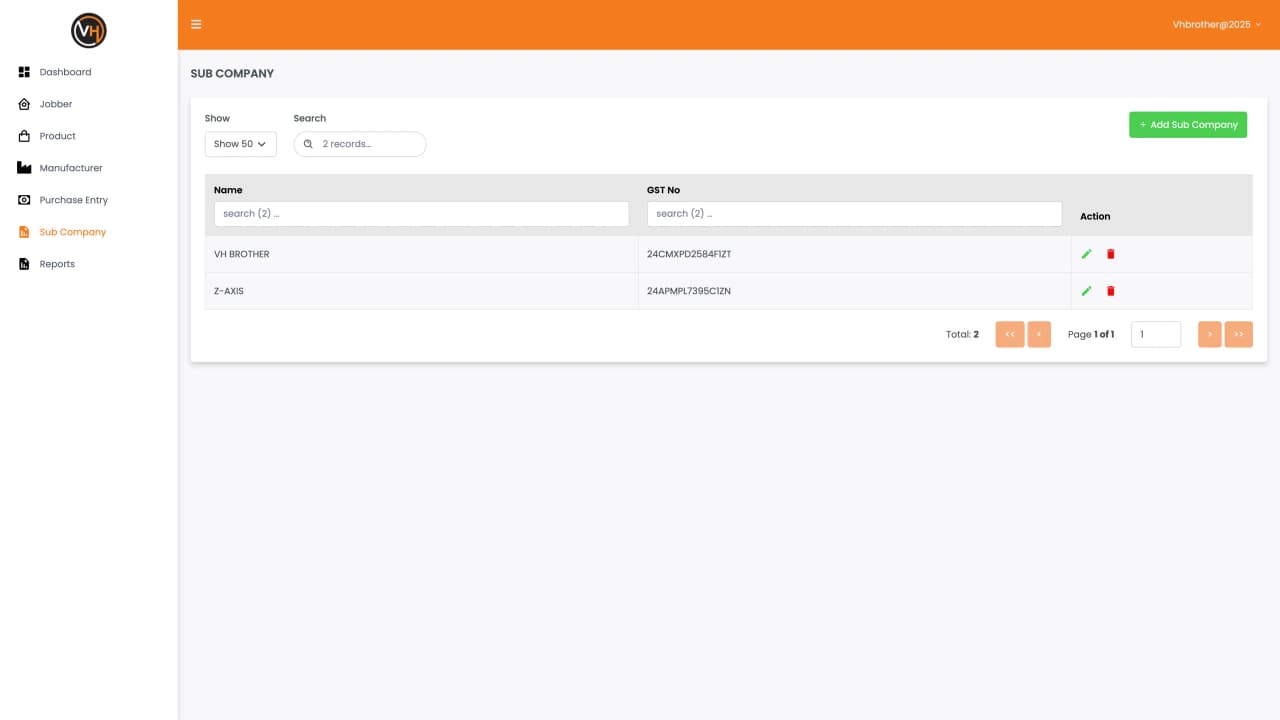
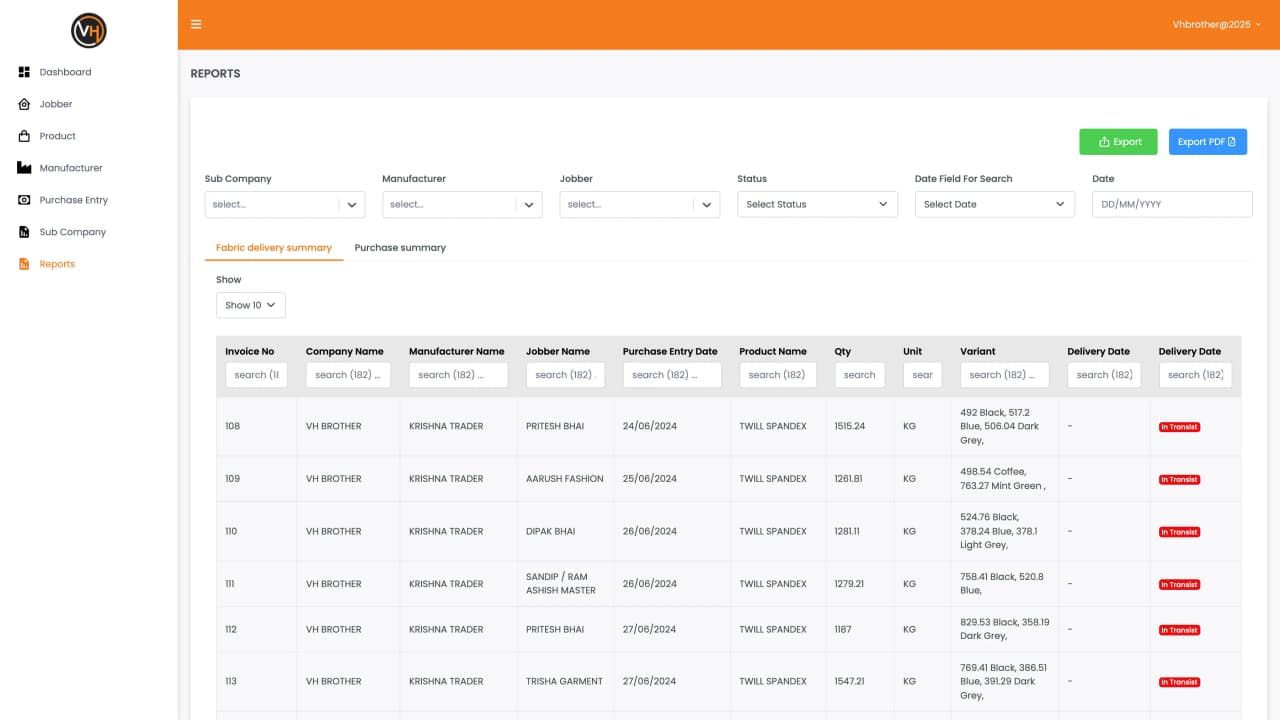
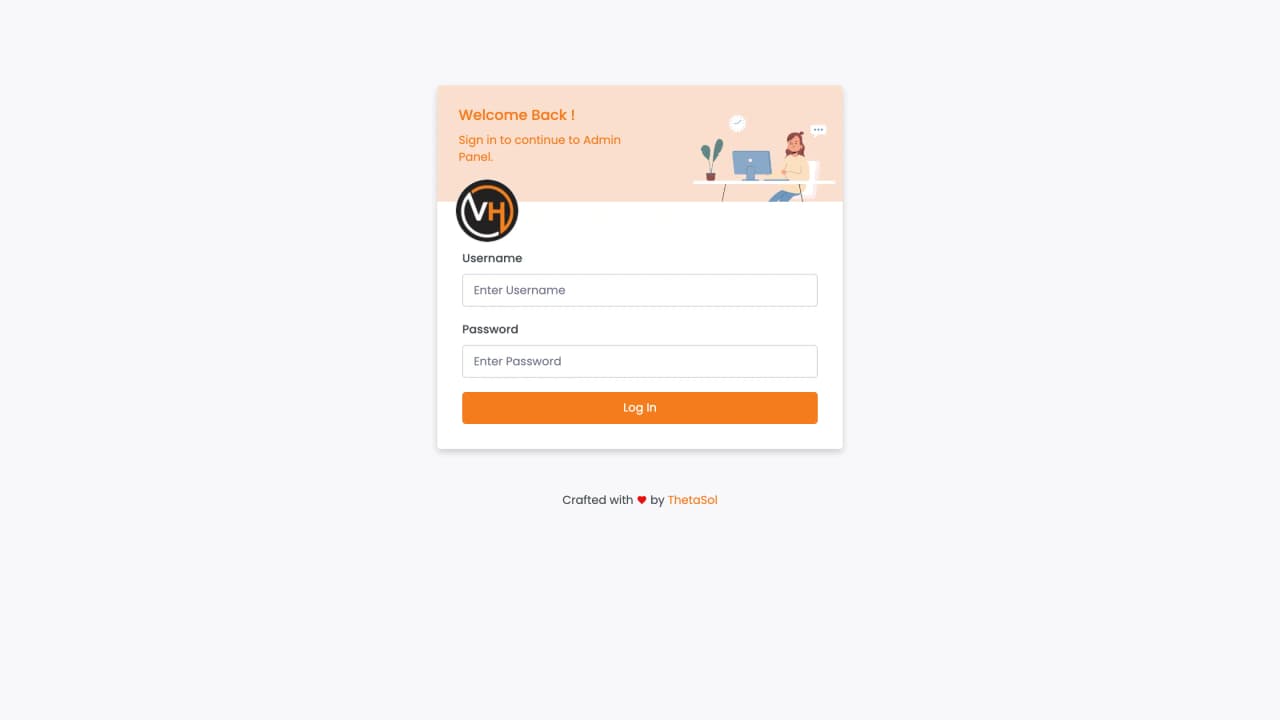
Real screens from the apps. Scroll each row sideways to see every screen.
What changed after the system started.
We did not measure these numbers ourselves. The time and call figures are the owners’ own estimates. Jobbers now confirm receipt in the app, so each one is answerable for the goods they hold.
“The goods tracking system has made a huge difference in our operations. Tracking is now simple, and the reports help us stay on top of stock and deliveries. Our communication with jobbers and manufacturers has never been smoother.”
Built in about two months, live in April 2024.
Clarity
We mapped how goods really moved between manufacturers and jobbers before designing anything.
System
An owner app, a jobber app and a web app, all working from one record of each consignment.
Automate
Jobbers get updates and notifications by themselves, in place of update calls and the chat group.
Support and Improvement
Monthly improvement was not part of this project. It is available as a monthly plan.
Other businesses we have mapped.
Repair quotes, technician jobs and parts moved into one system.
Read the case study →Twenty spreadsheets, and no order could be traced from sale to dispatch.
Read the case study →Find what is slowing your business down, in 30 minutes.
A free call with someone who knows operations. No sales pitch. You leave with the three things to fix first.